Choose steel palisade when a separate-pale system suits the specification and maintenance plan; consider 358 mesh when close mesh spacing is a project priority. Neither name alone establishes a tested security rating. For a useful comparison, KUNYU recommends quoting the same fence layout, installed height, gate schedule, finish and delivery scope for both systems.
What is the difference between steel palisade and 358 mesh?
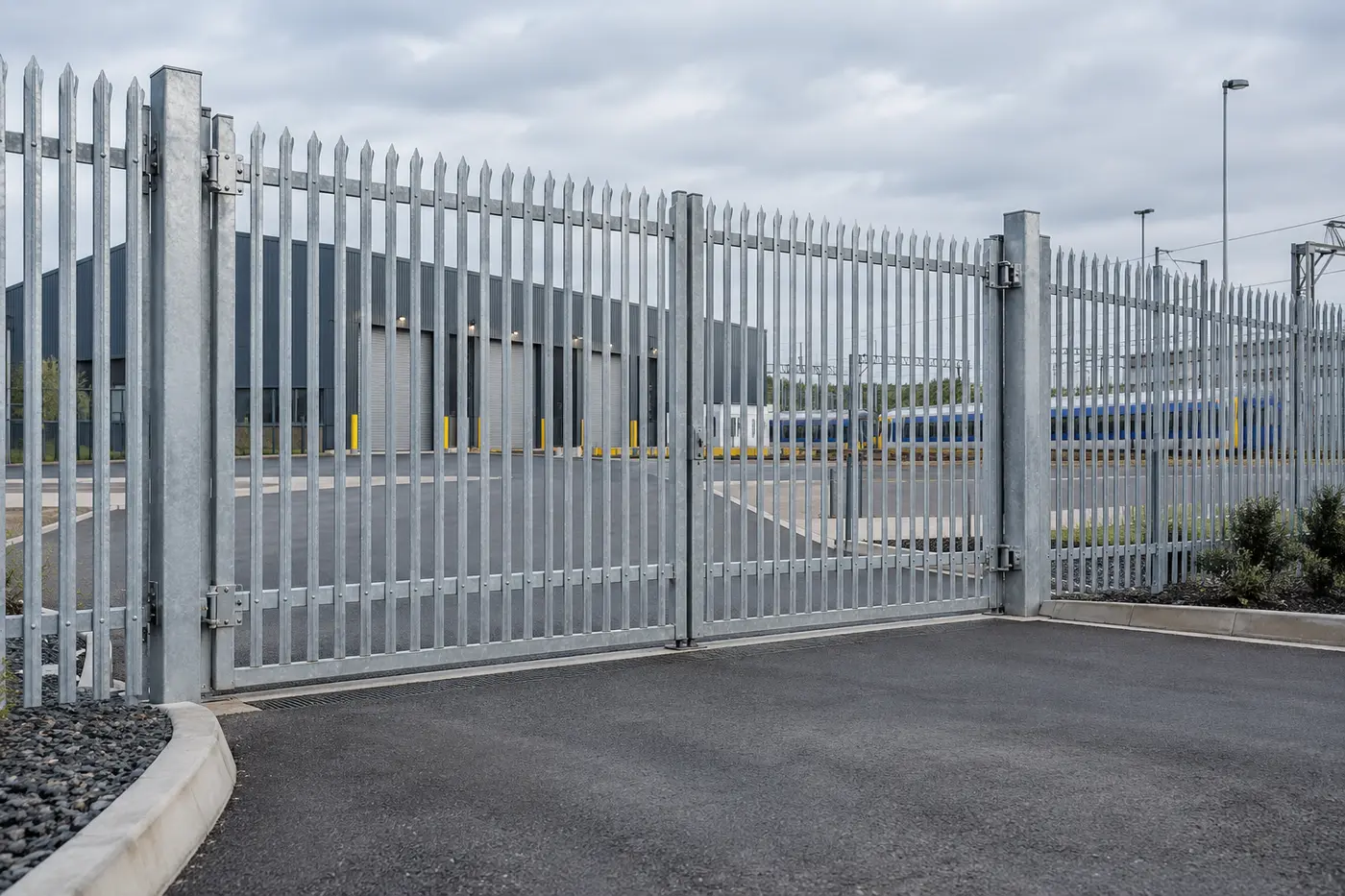
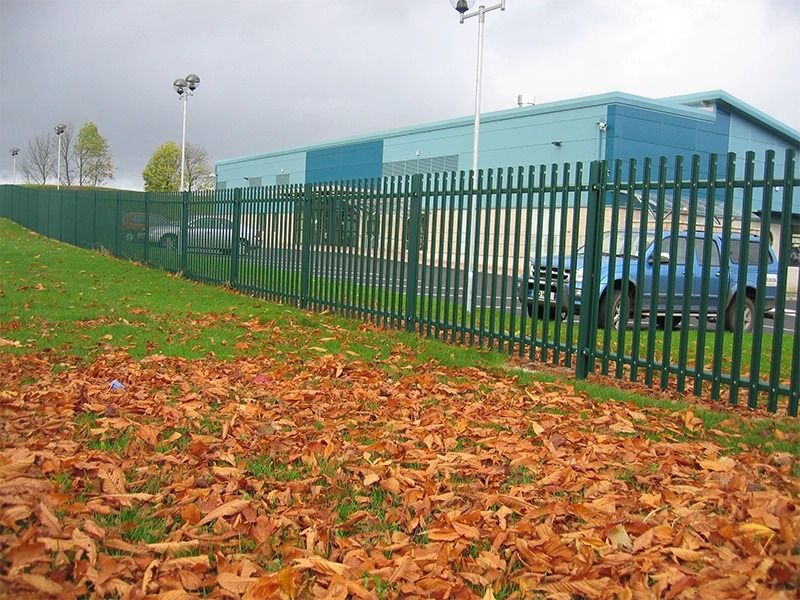
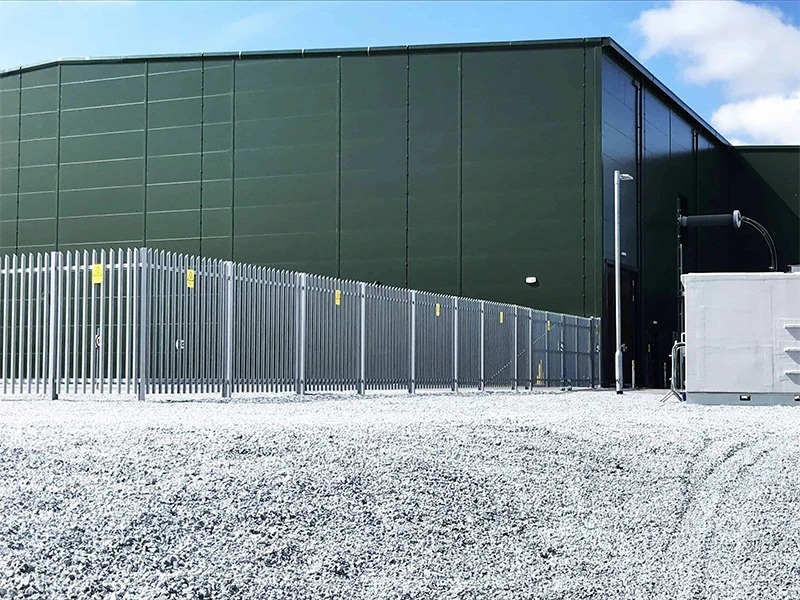
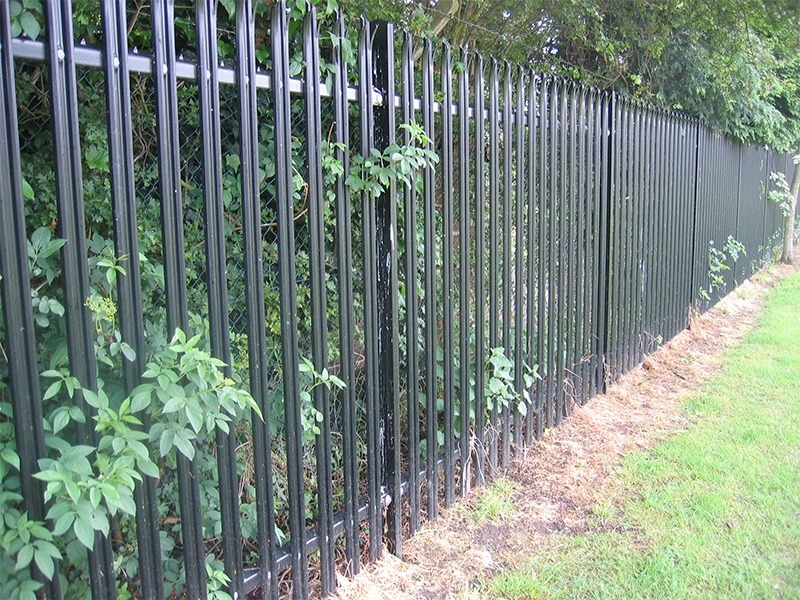
Steel palisade uses vertical steel pales connected to horizontal rails and posts. W-section and D-section describe pale profiles; head shape, thickness, spacing and connections remain separate choices. This comparison concerns steel palisade, rather than timber picket fencing or GRP palisade.
358 is a close-spaced welded mesh family. KUNYU’s published reference uses nominal 76.2 × 12.7 mm mesh and 4.0 mm wire. Confirm wire orientation, whether dimensions describe pitch or clear aperture, the bare-wire measurement basis and tolerances on the approved drawing. These figures do not describe 2D twin-wire or ordinary V-mesh fencing.
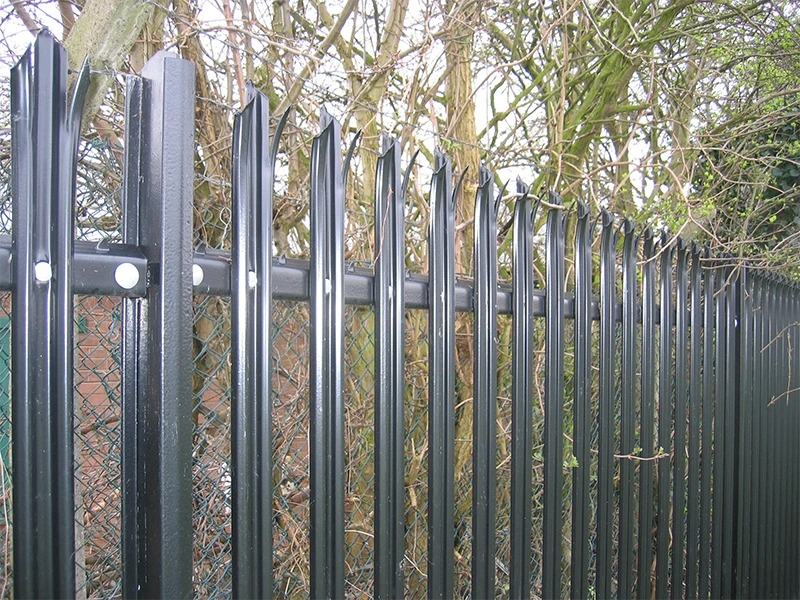
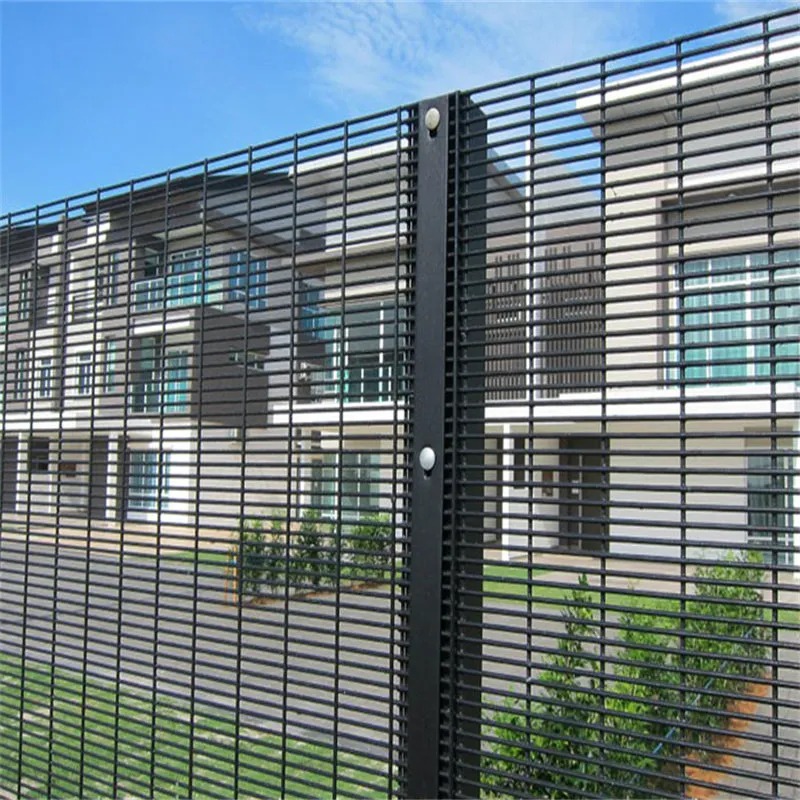
Compare the complete fence system
There is no universal winner for every site. Where intrusion resistance or a specified rating is required, compare reports for the complete configuration, including its posts, fixings and installation conditions. A supplier audit or a material thickness alone is not that evidence.
| Buyer decision | Steel palisade | 358 welded mesh |
|---|---|---|
| Construction | Separate pales, rails, posts and bolted connections. | Welded mesh panels, posts and a specified clamping or fixing system. |
| Climbing and access | Pale spacing, profile, heads and accessible rails affect the barrier. | Close mesh spacing limits space for hand and foot purchase; the complete design still matters. |
| Visibility | View through the pales varies with profile, spacing and viewing angle. | View through the wire grid varies with mesh orientation, angle and lighting. |
| Replacement work | Individual components may be replaced if dimensions, holes and fixings match. | Panel replacement needs matching dimensions, post centres and fixing interfaces. |
| Slopes and level changes | Confirm the allowable arrangement of rails, pales and posts for the actual slope. | Confirm stepping or other designed panel arrangements and the resulting ground gap. |
| Gates | Coordinate palisade infill, rails, hinges, clear opening and gate posts. | Coordinate mesh infill, frame, clamps, hardware and clear opening. |
| Evidence | Request evidence for the exact proposed system and installation. | Request evidence for the exact proposed system and installation. |
Check visibility and maintenance at the actual site
If the boundary is monitored by cameras, assess the proposed fence from the camera position under the expected lighting. A catalogue photograph does not establish camera performance. Include any screening, vegetation and planned equipment in the review.
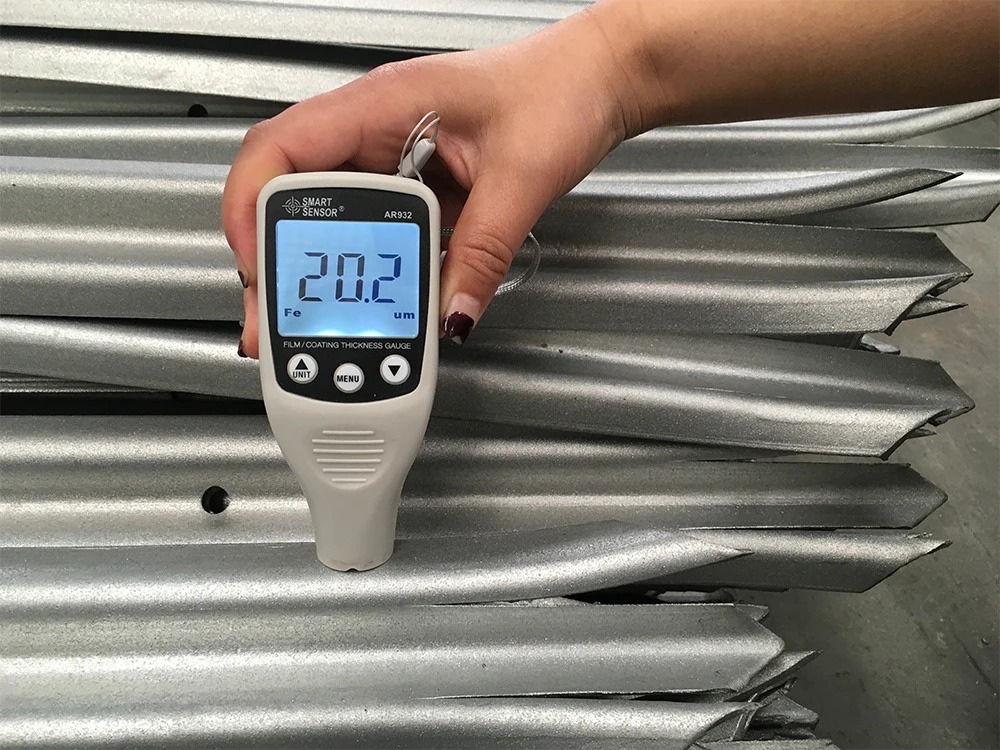
For maintenance, ask which replacement parts can be ordered, what drawings identify them and how damaged coatings are repaired under the agreed coating specification. Neither a powder-coated colour nor galvanising alone establishes a fixed service life for every exposure.
Include slopes, corners and gates before comparing prices
Provide a boundary plan with run lengths, corners, ends, slopes and gate locations. Both systems need a layout-specific post and fixing schedule. Gate clear opening, leaf width and overall width including posts are different dimensions.
Check rail alignment or mesh-to-frame connections where the gate meets the fence. Record swing direction, hinge and latch clearances, stops, post mounting and any automation interfaces. Site foundation design and installation responsibilities should be agreed separately from the manufacturing quotation.
US procurement checks: drawings, units and import scope
For US importers and project buyers, first distinguish a local stock-and-installation purchase from a manufactured export order. KUNYU’s published offer is China-based manufacture and export; request confirmation of the selected configuration and destination before approving an order.
Choose one controlling unit system for the drawing. Exactly 8 ft equals 2,438.4 mm; a nominal 2.4 m reference is therefore not an exact 8 ft specification. State whether the requirement concerns panel height, pale length or installed fence height. A metric catalogue entry should not be relabelled as an imperial SKU.
- Supply the project specification, full component list and required product-specific evidence.
- Record actual dimensions for any existing posts, rails, panels and gates; do not assume cross-brand compatibility.
- Ask for itemised packing, weights, delivery point and the responsibilities covered by the quoted delivery term.
- Keep production completion, shipment and required site arrival as separate dates; obtain written confirmation for the selected order.
UK procurement checks: gate dimensions and system matching
For UK projects, record the controlling dimensions in millimetres or metres and give each gate a separate opening schedule. State the clear opening, leaf arrangement, gate-post sections, overall outside-post dimension and fence-rail heights. Nominally similar gates can have different connection details.
Supply the project’s specified standards and any required test rating with the enquiry. Evidence must cover the offered configuration; do not infer compliance from the words “palisade” or “358”. KUNYU’s export supply scope should be kept separate from local measurement, foundations, installation and commissioning.
- For replacement work, send rail profiles, hole centres, post measurements and photographs.
- Agree pale heads or mesh infill, coating system and colour reference together.
- For powered gates, identify the party responsible for the complete installed system and its project requirements.
Which system costs less for the complete order?
A reliable price comparison needs two quotations against the same schedule. Panel-only and complete-system prices are not equivalent. The apparent lower unit price can omit posts, fixings, gate hardware, packing or delivery items.
Ask for an itemised bill of materials for both alternatives, including terminal and corner posts, gates, spares, inspection records and packing. Compare the full quoted scope and separately budget the local work. Freight, minimum quantities and production timing require confirmation for the actual order; this guide does not assume one system is always cheaper.
Request a like-for-like palisade and 358 quotation
Send KUNYU the site layout, fence height, total run, gate schedule, finish, quantities, destination and required evidence. If the system is undecided, request both alternatives against that same brief. Use the RFQ checklist to record the specification before comparing the offers.
Specifications & supporting information
Product figures in this guide refer to the linked KUNYU specifications. Confirm the final configuration and commercial terms in your quotation and approved order documents.
Behind the guide
About KUNYU PERIMETER
KUNYU PERIMETER supplies complete perimeter fencing systems and components for importers, distributors and project buyers. Manufacturing and export supply are coordinated through Zhejiang Kunyu Wiremesh Co., Ltd. and associated manufacturing operations in China.