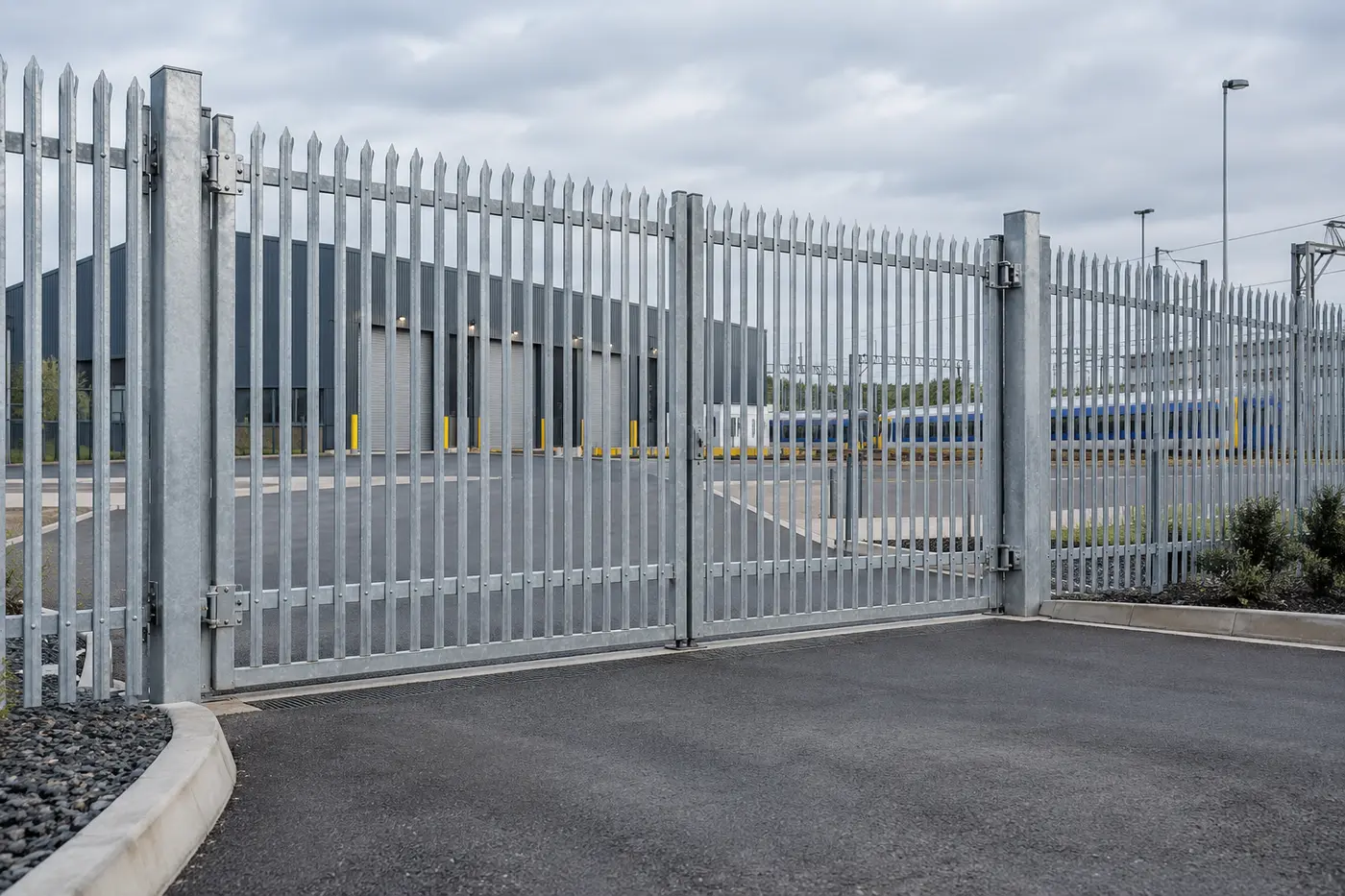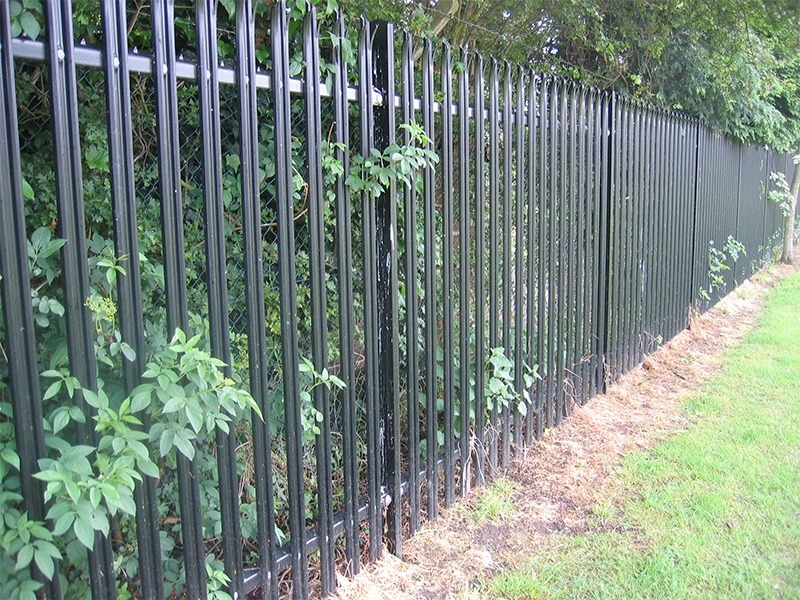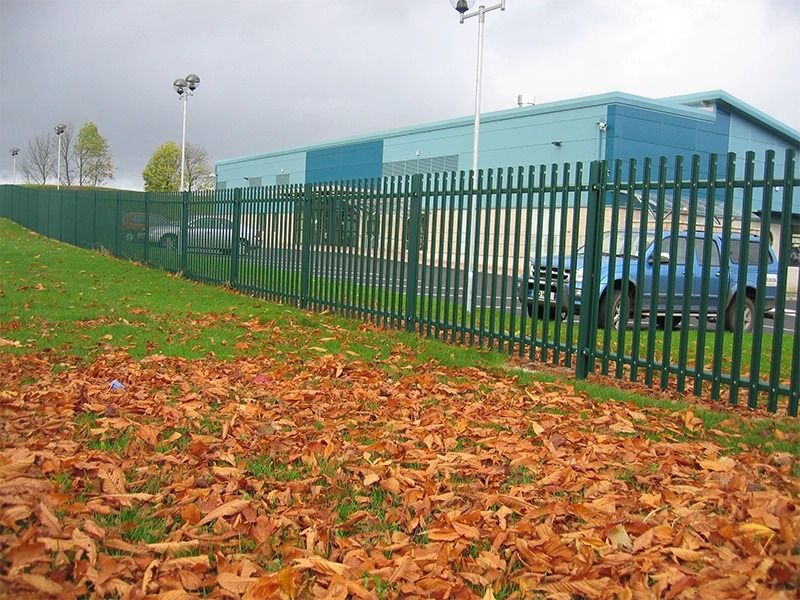
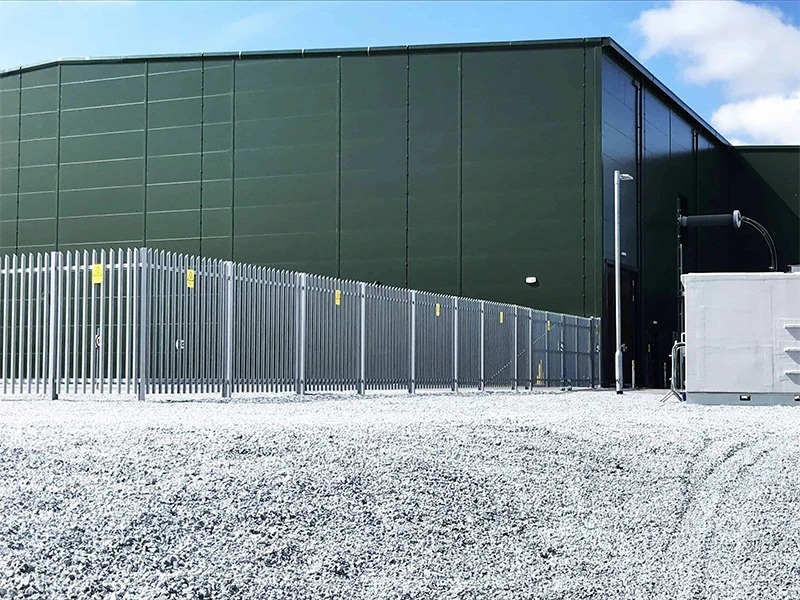
To request a comparable palisade fencing quote, send the same drawings, quantities and delivery requirements to each supplier. Start with the checklist below. Mark any unknown details for review before you approve the order.
Palisade fencing RFQ: what to send
Prepare these details for your supplier. Use one drawing revision and one itemised quantity list for every quotation.
- Supply scope: complete fence bays, separate components, gates or a combined package.
- Drawings and dimensions: fence height, pale profile, rails, posts, connections and site layout.
- Quantities: list each height, finish and component separately.
- Finish: specify the galvanising or coating requirement and colour, if needed.
- Inspection: state the checks, acceptance criteria and records required.
- Packing: give bundle or pallet marks, protection and handling requirements.
- Delivery: give the destination, requested delivery term and target shipment or arrival date.
1. Define the supply scope
State whether you need complete bays, replacement components or a package that includes gates. A price for pales alone is not comparable with a price for a complete bay containing pales, rails, posts and fixings.
For a project order, provide a layout showing each fence run, corners, ends, changes in level and gate locations. For distributor stock, list each height, finish and component as a separate order line.
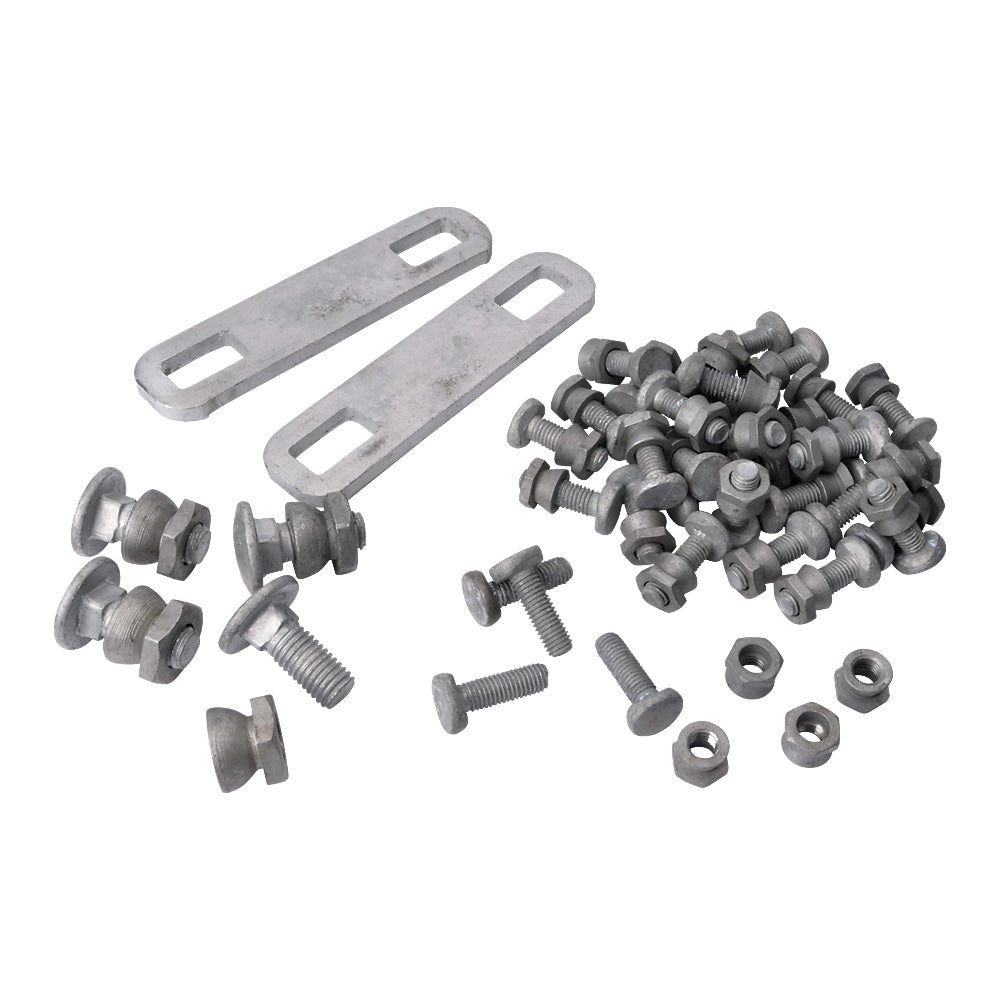
2. Specify the bay and every connection
Confirm the pale profile and thickness, head type, rail section, post section, post centres and fixing arrangement. Identify which dimensions are nominal and agree the measurement basis and tolerances before confirming the order.
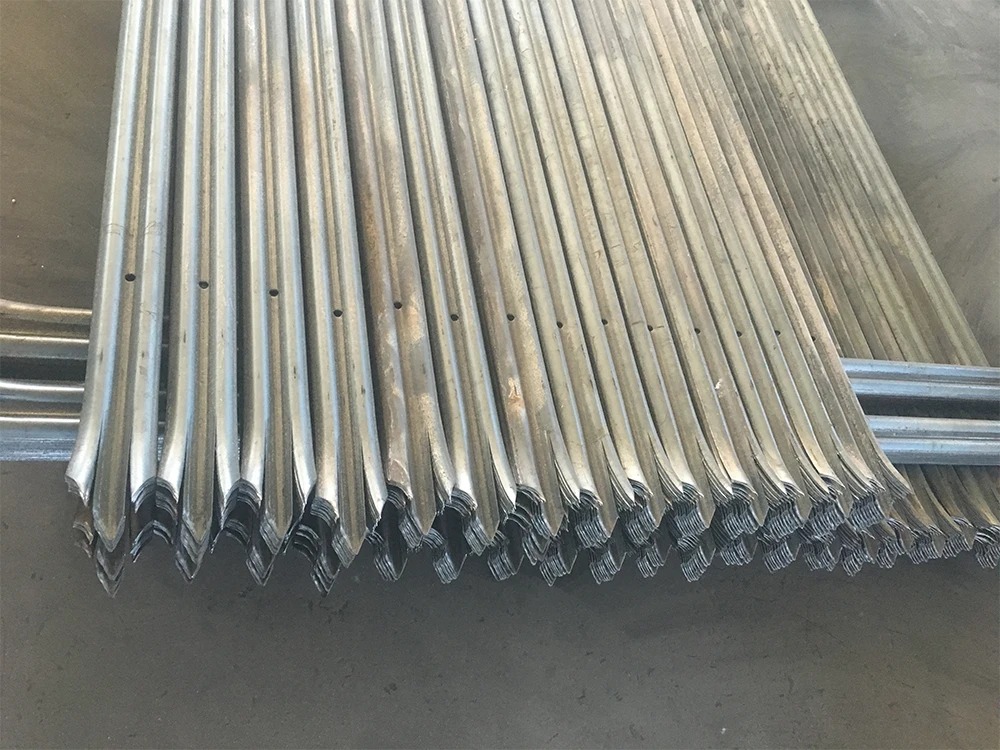
KUNYU’s published standard W-section system lists 17 pales per bay, two rails and nominal 2,750 mm post centres. The listed box-section rail length is 2,710 mm. Post centres and rail length are different dimensions; use the approved connection drawing when ordering replacement parts. These figures describe this particular system, not every palisade design.
| RFQ item | Information to provide |
|---|---|
| Fence height | Required installed height and the selected pale/post lengths |
| Pales | W or D profile, thickness, head type and quantity |
| Rails | Section, length, hole positions and quantity |
| Posts | Section, length, line/corner/end position and mounting method |
| Connections | Fishplates, bolts, nuts and security fixing requirements |
| Layout | Run lengths, corners, slopes, terminations and gate locations |
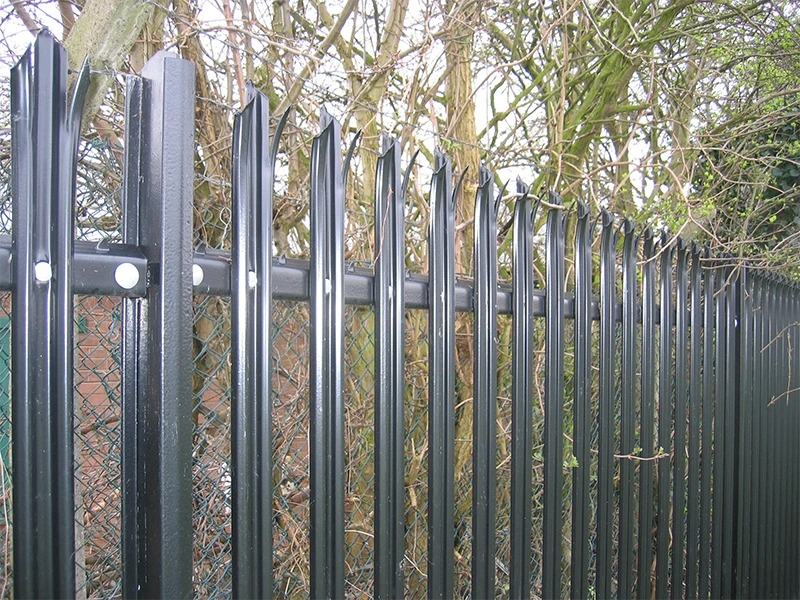
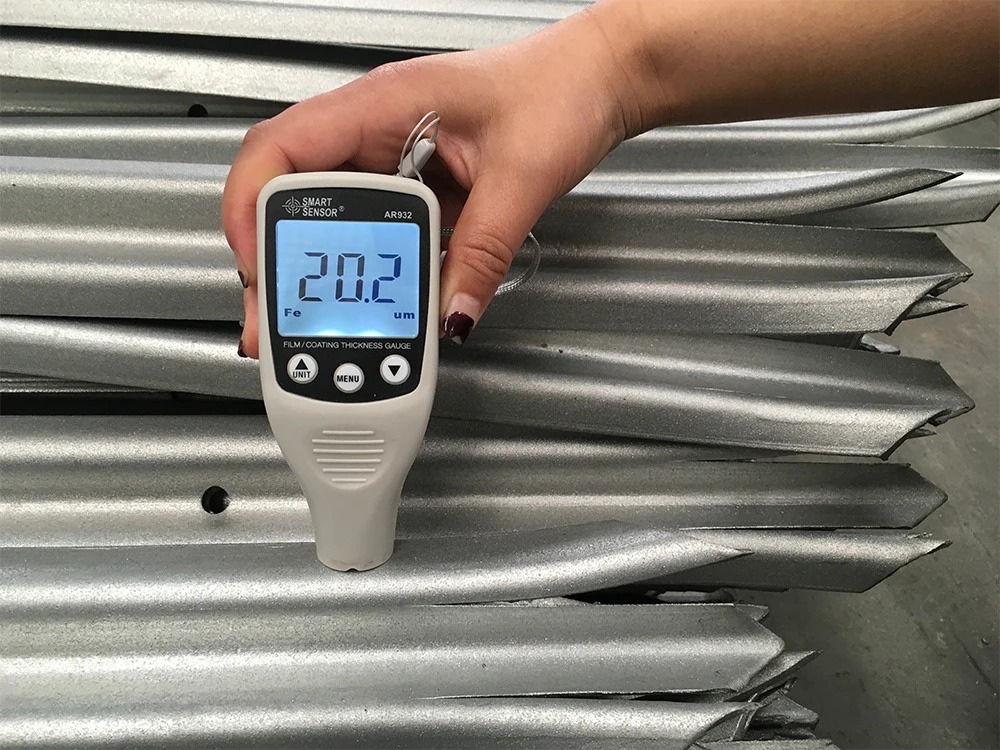
3. Agree the finish and inspection requirements
Specify the galvanising or coating system required by the project. For a colour finish, include the colour reference and any project requirements for surface preparation, coating thickness or inspection records. A colour name alone does not define the coating system.
List the checks and records needed for acceptance: component dimensions, hole alignment, coating measurements, counts and packing photographs, for example. If a standard or test report is required, identify the exact requirement and configuration. A supplier assessment is separate from product-specific certification.
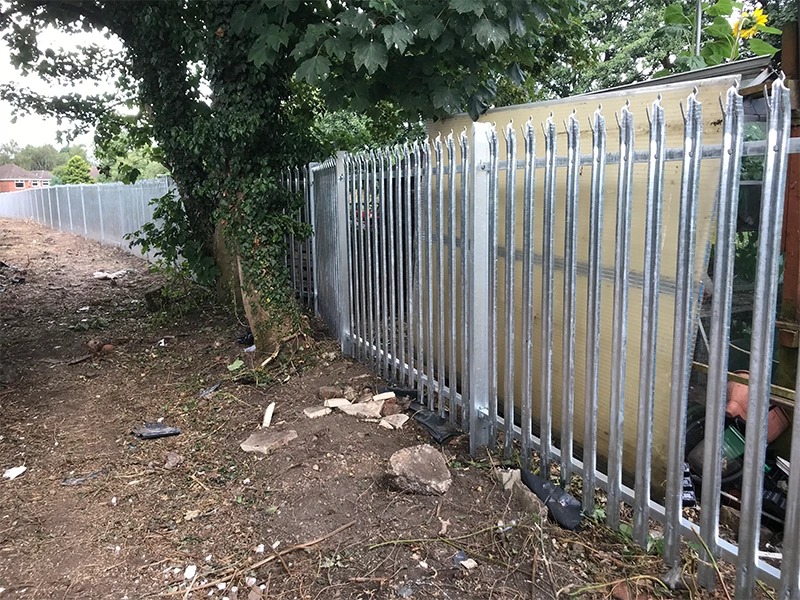
4. Add a separate gate schedule
Give the usable clear opening, height, number of leaves, swing direction and infill. Specify hinges, latch or lock, stops, gate posts and any automation interfaces.
Keep clear opening, leaf width and overall post-to-post dimensions separate. Confirm the installation drawing and project-specific post or foundation requirements before manufacture.
Use the gate RFQ schedule linked below for each gate type. Record the drawing number and revision, define the viewing side for handing, and separate supplier scope from local installation and automation responsibilities. The blank worksheet supports quotation review; it is not an approved fabrication drawing.
5. Make the commercial scope comparable
Send the quantity for each item, destination country and delivery location, required delivery term and requested arrival or shipment date. Ask the supplier to state what is included in the price and which items remain subject to confirmation.
Agree bundle or pallet marking, packing by fence run or component type, and any handling restrictions. Compare the packing list and complete order value alongside the unit price. MOQ, production timing, freight and loading quantities depend on the selected order; ask for written confirmation.
- Drawing revision and component schedule
- Quantities by height, finish and item
- Inspection and documentation requirements
- Packing, marks and delivery destination
- Requested delivery term and target date
How to verify a palisade fencing manufacturer
Confirm the legal company named on the quotation and the factory that will make your order. Ask which processes are carried out there and which are outsourced. Request records for the palisade system you plan to buy.
KUNYU supplies palisade fencing through Zhejiang Kunyu Wiremesh Co., Ltd. and associated manufacturing operations in China. The factory and quality pages identify the published production information and assessed entities.
Before ordering, confirm who will contract, manufacture and export the goods. A supplier name or factory photograph alone does not prove that relationship.
| Check | Evidence to request | What to confirm |
|---|---|---|
| Company and production relationship | Named contracting entity, factory details and applicable supplier assessment | The quotation, assessed entity and proposed manufacturing operation can be reconciled. |
| Palisade manufacturing scope | Relevant process information, product scope and an agreed system drawing | The proposed operation can supply the selected pales, rails, posts, connections and gates. |
| Quality and traceability | Sample inspection record and proposed order inspection plan | Dimensions, coating, quantities and acceptance criteria match the selected order. |
| Export supply | Draft packing schedule, marking requirements and delivery term | Responsibility for packing, shipment and destination-related documentation is stated in the quotation. |
Does a supplier audit certify the fencing product?
A supplier assessment covers a named company or operation, a defined scope and a report date. It does not certify every fencing product or security rating.
KUNYU publishes Bureau Veritas supplier assessment MIC-ASI263239, dated 4 March 2026. Its product scope includes palisade fencing. Other assessments and batch inspection examples are identified separately.
Check each report’s number, assessed entity, scope and any stated validity period. Keep figures for separate operations separate, including employee counts and production lines.
Agree the drawing revision, parts list, inspection plan, packing list and shipping documents before ordering. If the project requires a product test or standard, ask for evidence that covers the proposed configuration. Resolve missing evidence before approval.
Australian buyers: verify the supplier and component interfaces
Before ordering components for an Australian project, confirm the supplier’s contracting entity, manufacturing role, delivery scope and ability to provide the agreed drawings and inspection records. A local supplier, an installation contractor and an export manufacturer may cover different parts of the order. KUNYU reviews manufacturing and export enquiries from China; Australian stock, site measurement and local installation must not be assumed.
Match each component to the approved system drawing. For replacement parts, provide measured dimensions or drawings alongside photographs. Post centres, rail length and gate clear opening are different measurements. A similar product name or appearance does not establish compatibility.
| Component or interface | Dimensions and details to verify | Order evidence |
|---|---|---|
| Posts and bay spacing | Post section, wall thickness, length, mounting and post centres | Layout and post schedule, including ends and corners |
| Rails and pales | Rail section and length; pale profile, thickness, head and hole positions | Dimensioned component drawing with tolerances |
| Fishplates and fasteners | Plate dimensions, hole centres, bolt sizes, nut type and fixing counts | Connection detail and itemised parts list |
| Gate interfaces | Gate-post dimensions, clear opening, rail heights and connection points | Gate and adjoining-fence drawings |
| Finish and identification | Coating process, inspection requirements, quantities and packing marks | Agreed inspection plan and traceable packing schedule |
- Use one drawing revision and quantity schedule for all quotations.
- Ask how nonconforming or incompatible components will be handled under the agreed order terms.
- Confirm the Australian destination, required delivery term and target dates before approving the order.
US importer checklist: control the dimensions and delivery scope
US importers, distributors and project buyers should distinguish a local stock-and-installation purchase from a China-manufactured export order. Ask KUNYU to review the actual specification, quantities and destination before treating a catalogue item as suitable for the project. Confirm the contracting entity and manufacturing relationship using the records linked above.
Nominal metric heights and imperial requirements are not interchangeable. Exactly 8 ft equals 2,438.4 mm; 2.4 m equals 2,400 mm. Select one controlling unit system, identify the dimension being specified and agree drawing tolerances. Provide measured post centres and connection details when buying replacement components.
| US RFQ check | What to include or confirm |
|---|---|
| System and unit basis | Installed height, pale lengths, post centres, rail lengths, gate openings and one controlling unit system |
| Complete supply list | Pales, rails, line/end/corner posts, fishplates, fixings, gate sets and required spares |
| Evidence and inspection | The project’s specified requirements, applicable product reports and order inspection records |
| Packing and handling | Itemised counts, bundle/pallet dimensions, weights, marks and unloading arrangements for the actual order |
| Delivery responsibilities | Requested delivery term and named port or delivery point; identify what the supplier, importer and local contractor each arrange |
| Timing | Required production completion, shipment and arrival dates, separately confirmed for the selected order |
- Ask the supplier to itemise inclusions and exclusions so the full quotation can be compared.
- Confirm import classification, applicable charges and entry requirements with the responsible import professional before finalising the landed-cost budget.
- Local US stock, site measurement and installation are not included in KUNYU’s published export supply offer.
Compare supplier responses against one approved requirement
Use the palisade supplier comparison worksheet linked below to record each quotation reference, the evidence supplied and any unresolved difference. It is a blank buyer worksheet, not an inspection certificate or an approved order specification. Use the same drawing revision and component quantities for each comparison.
For UK procurement, distinguish China-based manufacture and export supply from UK-held stock, site measurement and installation. Record the named delivery point and who supplies, installs and verifies the completed system. Resolve missing reports, incompatible components and unclear exclusions with the supplier before order approval.
Use the checklist with your next enquiry
Download the fencing enquiry checklist, complete the known fields and mark unfinished details for review. Attach the boundary layout and gate schedule so that missing components can be identified before the quotation is finalised.
Specifications & supporting information
Product figures in this guide refer to the linked KUNYU specifications. Confirm the final configuration and commercial terms in your quotation and approved order documents.
Behind the guide
About KUNYU PERIMETER
KUNYU PERIMETER supplies complete perimeter fencing systems and components for importers, distributors and project buyers. Manufacturing and export supply are coordinated through Zhejiang Kunyu Wiremesh Co., Ltd. and associated manufacturing operations in China.