656 and 868 describe the nominal wire schedule of a 2D twin-wire panel. A 656 panel uses two 6 mm horizontal wires with a 5 mm vertical wire; 868 uses two 8 mm horizontal wires with a 6 mm vertical wire. Procurement decisions also need the panel dimensions, coating, posts, fixing arrangement and gate schedule.
Read the wire schedule first
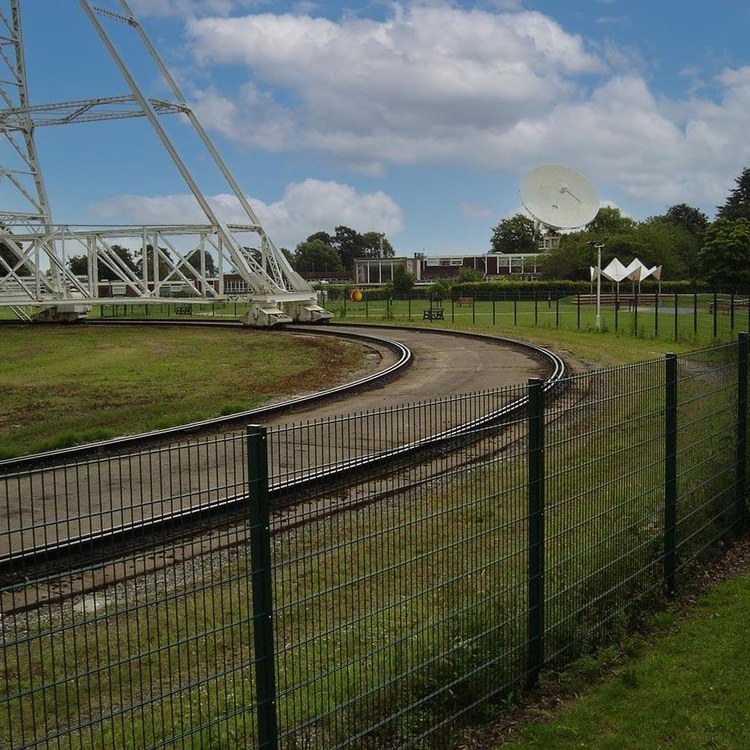
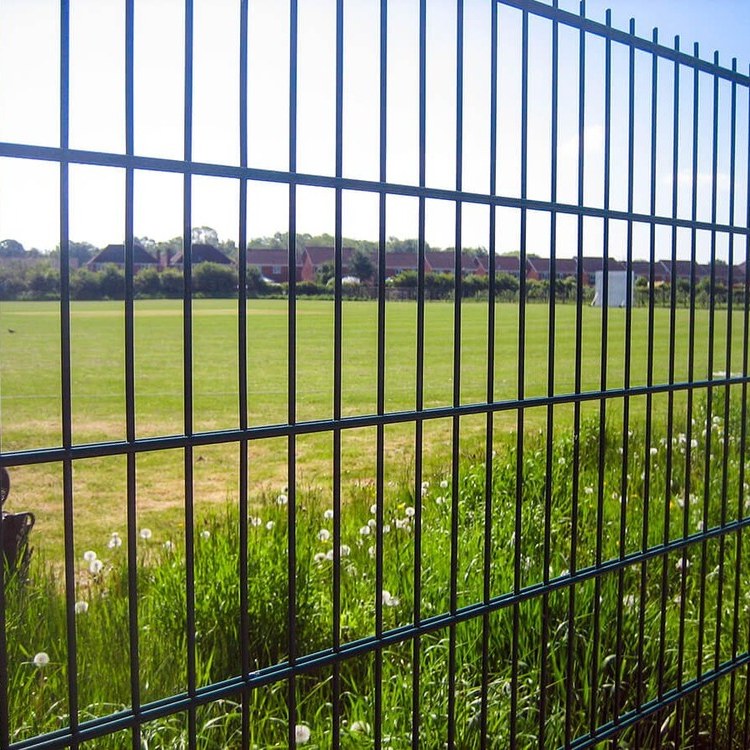
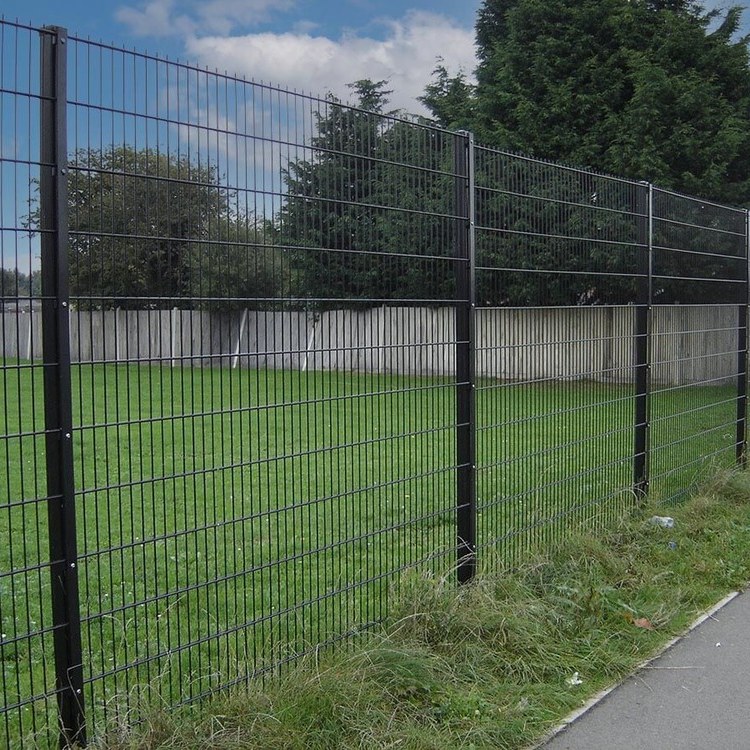
A twin-wire panel has two horizontal wires positioned on opposite sides of the vertical wire. It is a flat welded panel, without the V-profile folds of a 3D mesh panel. Confirm whether the quoted wire dimensions refer to the steel wire or the finished coated diameter, and agree tolerances.
| Specification | 656 twin wire | 868 twin wire |
|---|---|---|
| Horizontal wires | 2 × 6 mm nominal | 2 × 8 mm nominal |
| Vertical wire | 5 mm nominal | 6 mm nominal |
| Nominal mesh in KUNYU references | 200 × 50 mm | 200 × 50 mm |
| Panel height references | 1,830 / 2,030 / 2,430 mm | 1,830 / 2,030 / 2,430 mm |
| Panel width reference | 2,500 mm; 2,510 mm subject to system review | 2,500 mm; 2,510 mm subject to system review |
| Finish enquiries | Galvanised / galvanised + powder coated | Galvanised / galvanised + powder coated |
Select against the project specification
868 has larger nominal wire diameters than 656. That distinction alone does not establish a tested security rating or confirm that a particular fence is suitable for a project. Check the complete system requirements, including posts, connections, gates and installation design.
For distributor stock, confirm the sizes and fixing interfaces your customers use. For a specified project, request the required wire schedule and supporting documents. Where the grade is undecided, ask for both alternatives against the same layout, panel dimensions, finish and supply scope.
Check panel width and post compatibility
Do not assume that a 2,500 mm panel and a 2,510 mm panel are interchangeable. Actual panel width, post centres and the fixing geometry must agree. Panel height and installed fence height are also separate dimensions.
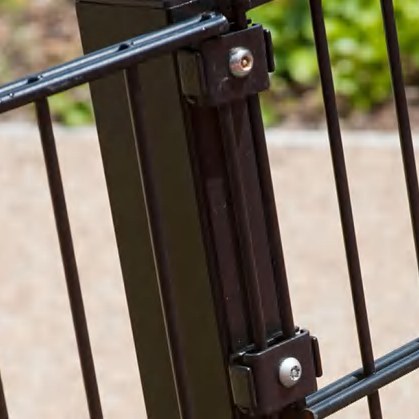
For replacement panels, send measurements of the existing posts, centre spacing, clips or clamp bars, plus photographs. For a new system, request coordinated panels, posts and fixing sets against one installation drawing.
Compare the complete order, not just the panel price
Ask both quotations to use the same quantities, finish, dimension basis and delivery term. List posts, caps, clips or clamp bars, bolts and gates separately so omissions are visible.
Request packing dimensions and weights for the actual order before comparing freight or container loading. Production timing, minimum quantities and packing arrangements need confirmation for the selected configuration.
- Wire schedule, tolerances and measurement basis
- Mesh aperture, panel height and actual width
- Post sections, lengths, centres and mounting method
- Fixing type and quantities per panel or post
- Coating system and colour reference
- Gate clear openings, leaves, posts and hardware
- Packing, inspection records and destination
Keep 2D mesh and 358 mesh specifications separate
The twin-wire references above use a nominal 200 × 50 mm aperture. 358 is a separate close-aperture mesh family. If a project calls for a particular aperture or a tested security configuration, confirm that requirement directly rather than choosing from the wire name alone.
Prepare a coordinated panel and component list
Use the 2D enquiry checklist to record the selected grade and dimensions. Add fence runs, corners, level changes and gate locations when requesting a complete system. KUNYU can then review the manufacturing and component scope against your enquiry.
Specifications & supporting information
Product figures in this guide refer to the linked KUNYU specifications. Confirm the final configuration and commercial terms in your quotation and approved order documents.
Behind the guide
About KUNYU PERIMETER
KUNYU PERIMETER supplies complete perimeter fencing systems and components for importers, distributors and project buyers. Manufacturing and export supply are coordinated through Zhejiang Kunyu Wiremesh Co., Ltd. and associated manufacturing operations in China.